Cruise & Ferry
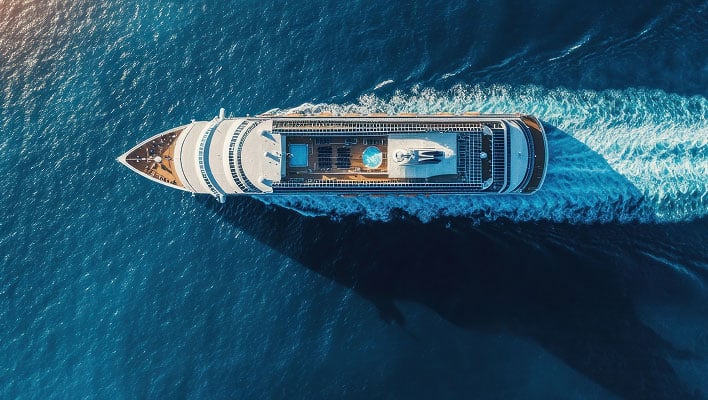
Protect passengers and crew with world-leading man-overboard detection, and continuous situational awareness.
Cruise safety solutions
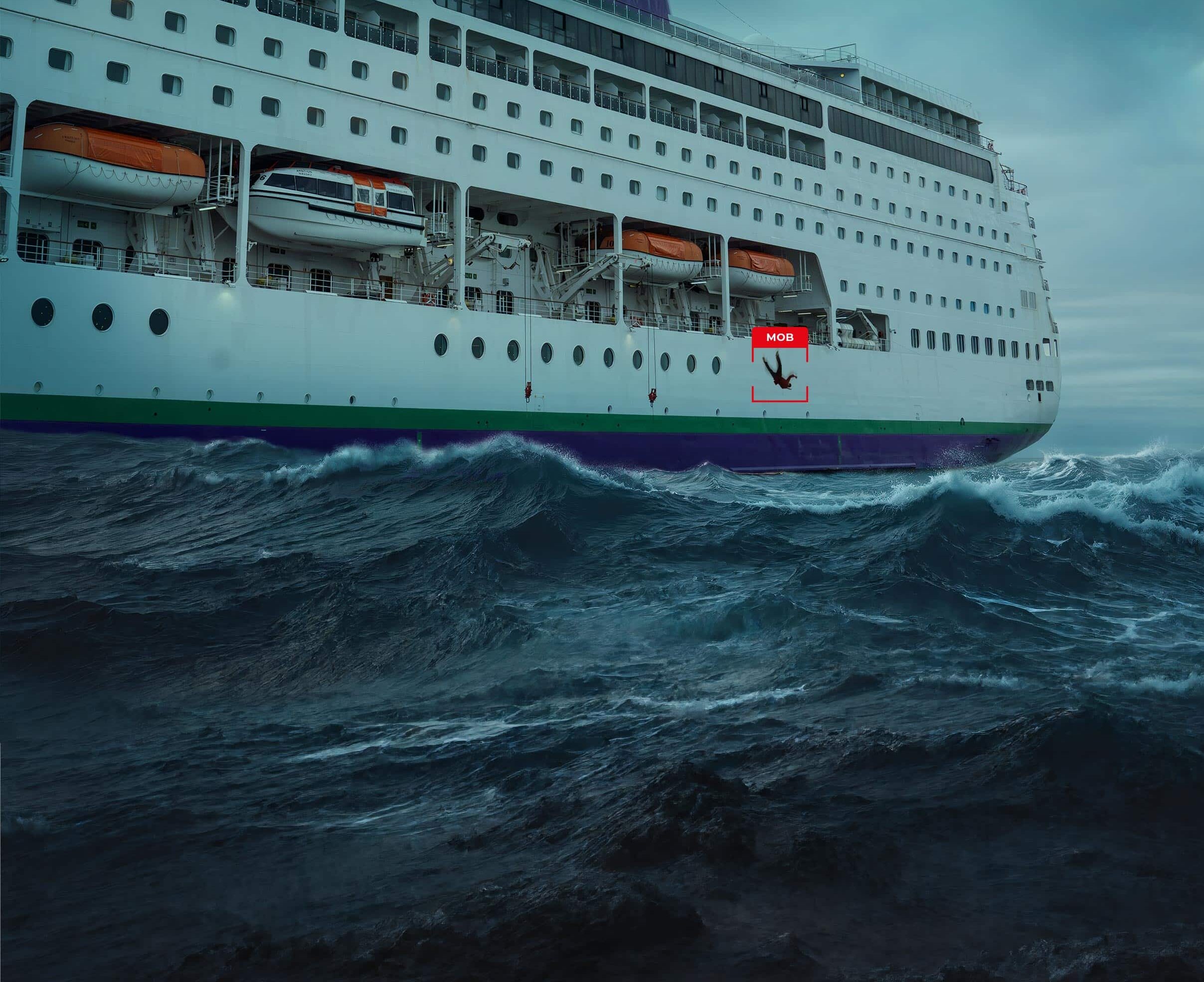
When a person falls overboard, the window for rescue is measured in minutes. Without early man-overboard detection, the probability of locating a person in the water can fall below 20%. Darkness, extreme weather, human fatigue and delay can cost lives.
Zelim builds AI-enabled maritime safety and security systems that detect instantly, track continuously, and support rapid recovery and intervention – extending human capability where it reaches its limits. This is beyond-human vigilance, engineered to eliminate uncertainty from critical moments at sea.

An intelligent technology ecosystem for maritime safety and security.
Automatic Man overboard
detection system & AI lookout
ZOE is an intelligent monitoring system, providing continuous, beyond-human vigilance at sea. Meeting the ISO 21195:2020 MOB detection standard, it instantly detects man-overboard incidents, tracks people and objects in the water in real-time. Always on watch, ZOE strengthens situational awareness for safety and security across vessels and critical assets.

Rapid overboard recovery
Swift is a proven man-overboard recovery system designed to retrieve casualties from the water quickly and safely. Engineered for reliability, speed and minimal risk of injury, even in rough conditions.

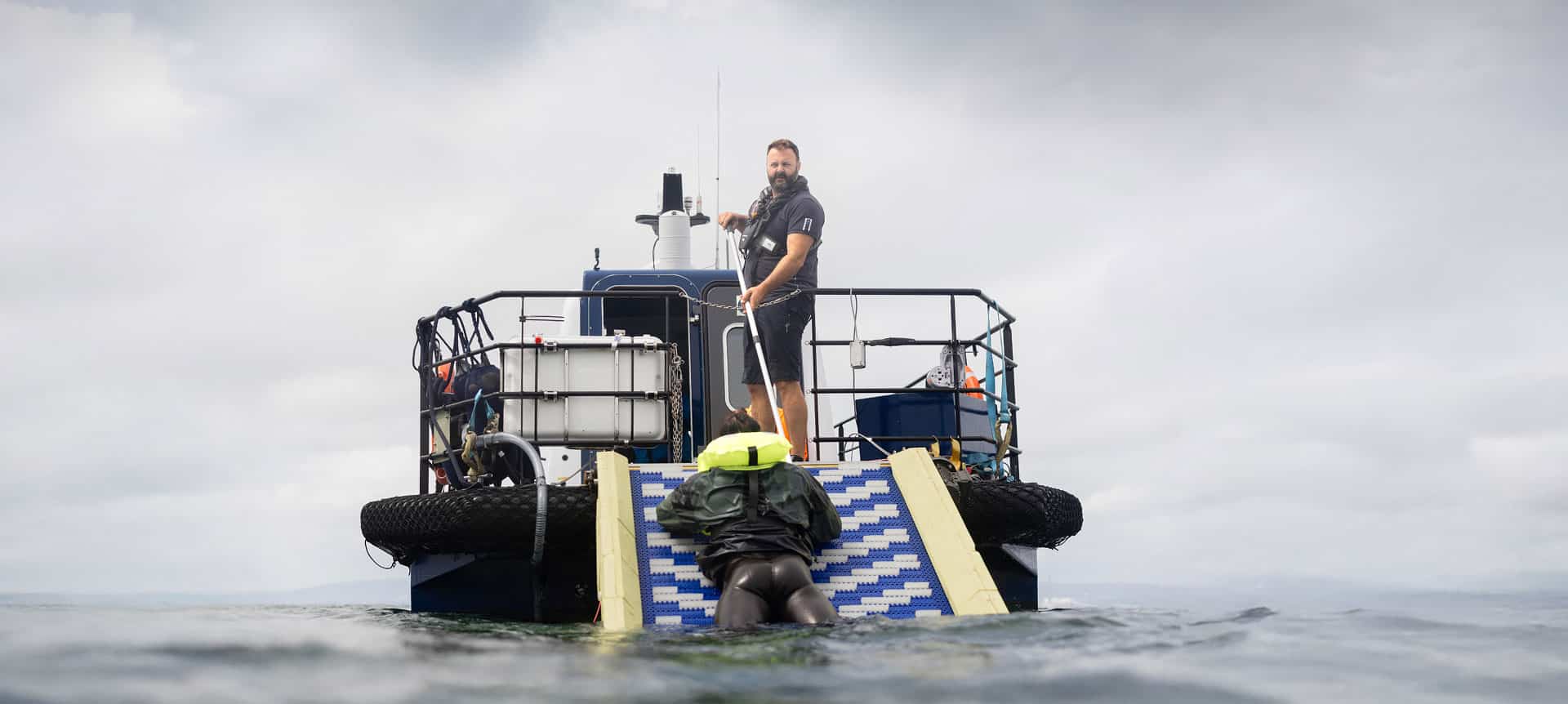
Unmanned rescue vessel
Guardian II is an unmanned fast rescue vessel built to operate where human access is limited or unsafe. Rapidly deployable, remotely operated, and purpose-built for life-saving missions.


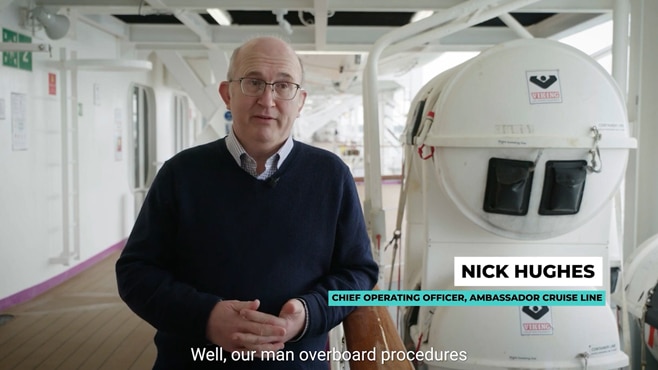
“ZOE gives our passengers and crew peace of mind that in the rare event of a MOB incident bridge teams are immediately alerted to a person falling overboard, with the person tracked until rescued.”

Nick Hughes
COO, Ambassador Cruise Lines
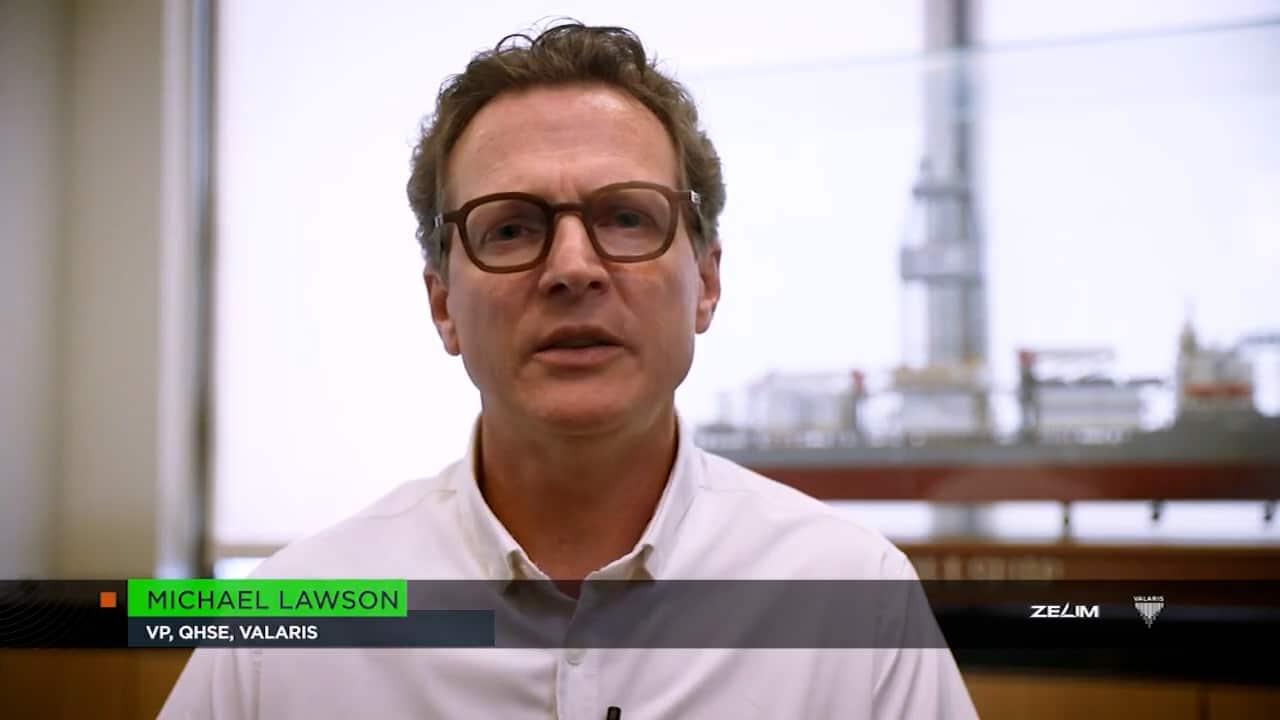
“A man-overboard during rig transit or operations is always an area of concern, and this technology provides an opportunity to automate this detection process, without requiring continuous human interaction. It’s like having thousands of extra eyes on the lookout.”

Michael Lawson
VP QHSE, Valaris
1 of 3
Protect passengers and crew with world-leading man-overboard detection, and continuous situational awareness.
Safeguard offshore operations with uninterrupted 360-degree monitoring and rapid incident detections, day and night.
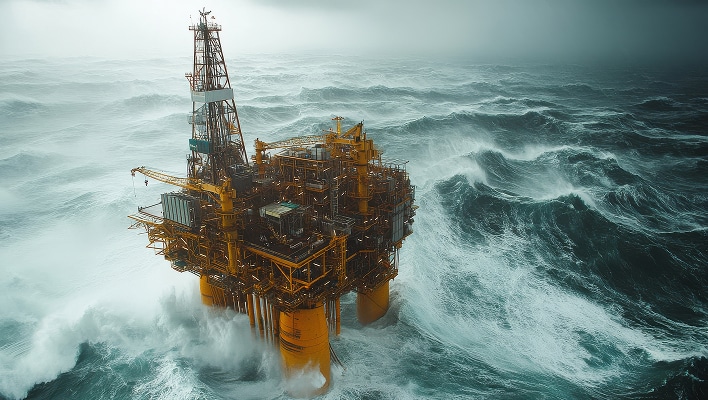
Providing beyond-human maritime situational awareness, protecting your people and assets in complex operational environments.
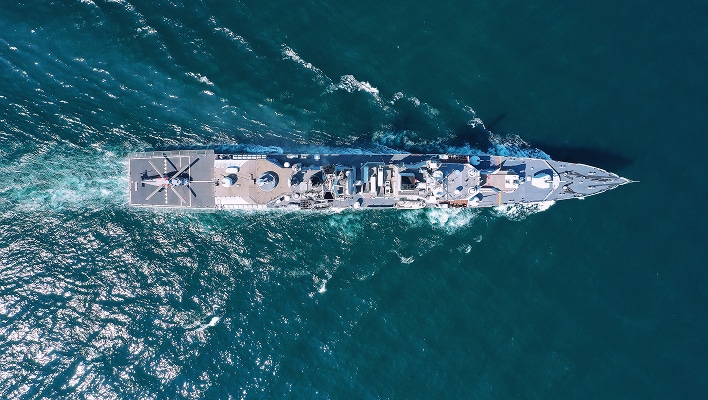
Improve crew safety, collision avoidance, and strengthen duty of care with one integrated safety & security system.
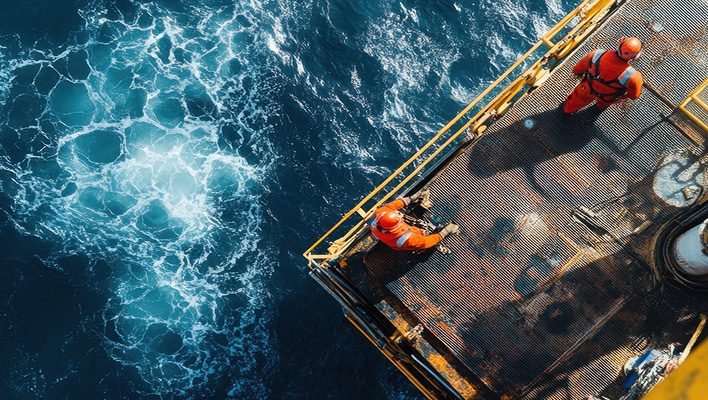
Maritime safety and security fail when detection is delayed, vigilance fades, or conditions overwhelm human attention. Zelim eliminates that uncertainty by delivering powerful, AI-enabled detection systems that are engineered to perform continuously, precisely and without compromise in some of the world’s most complex maritime environments – where the cost of error is high and every second counts.


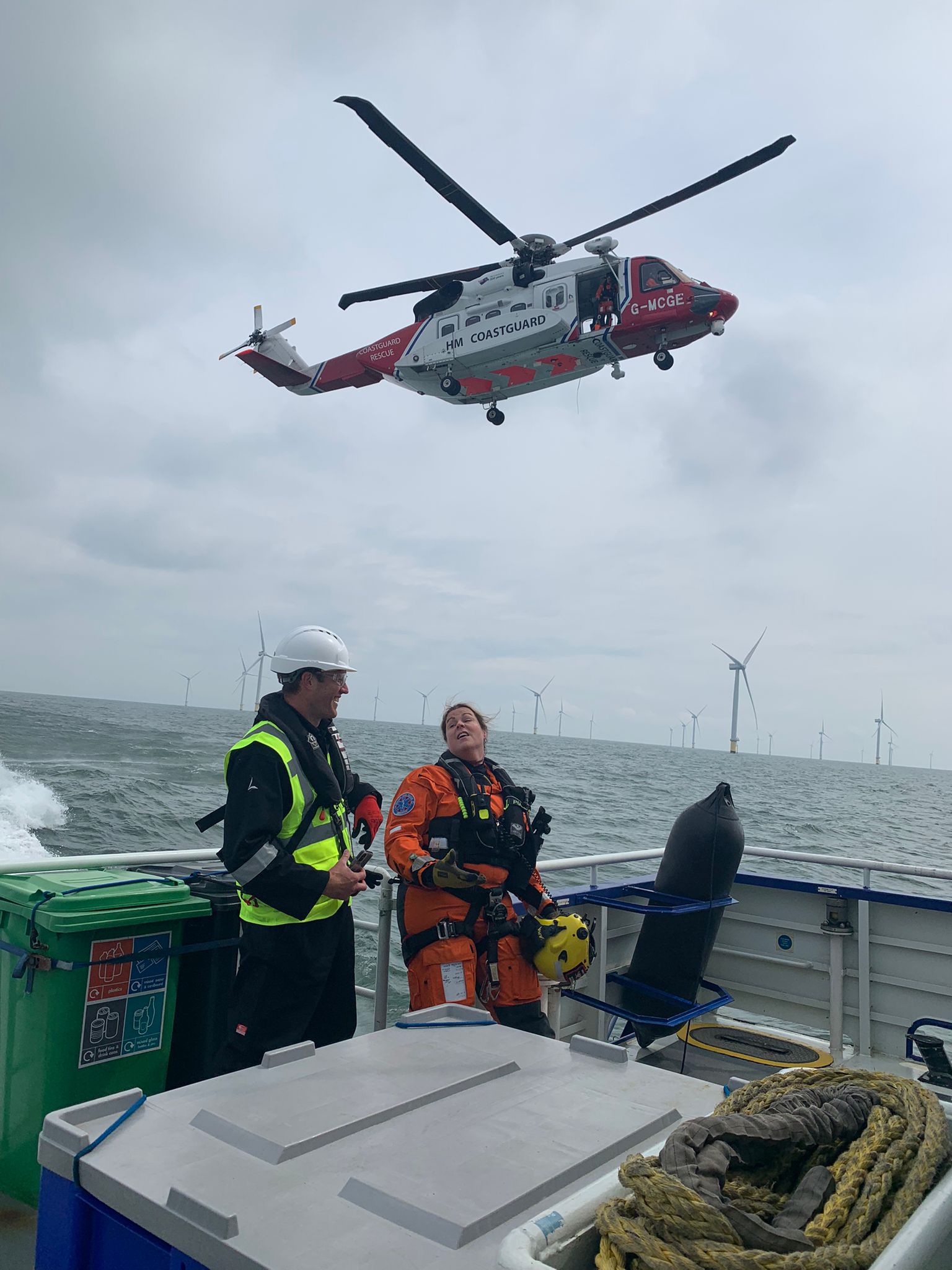
19 May 2025
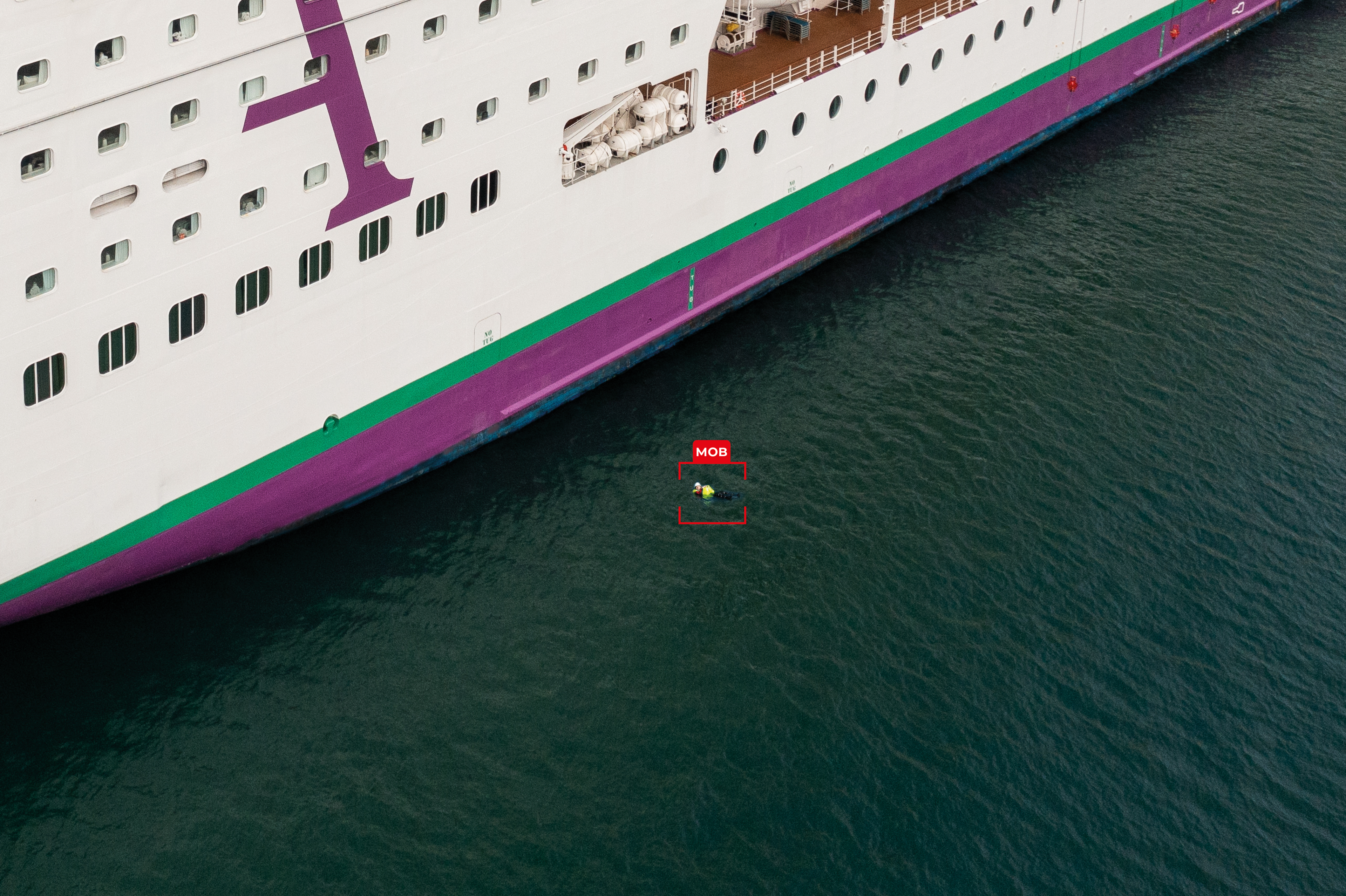
27 June 2025
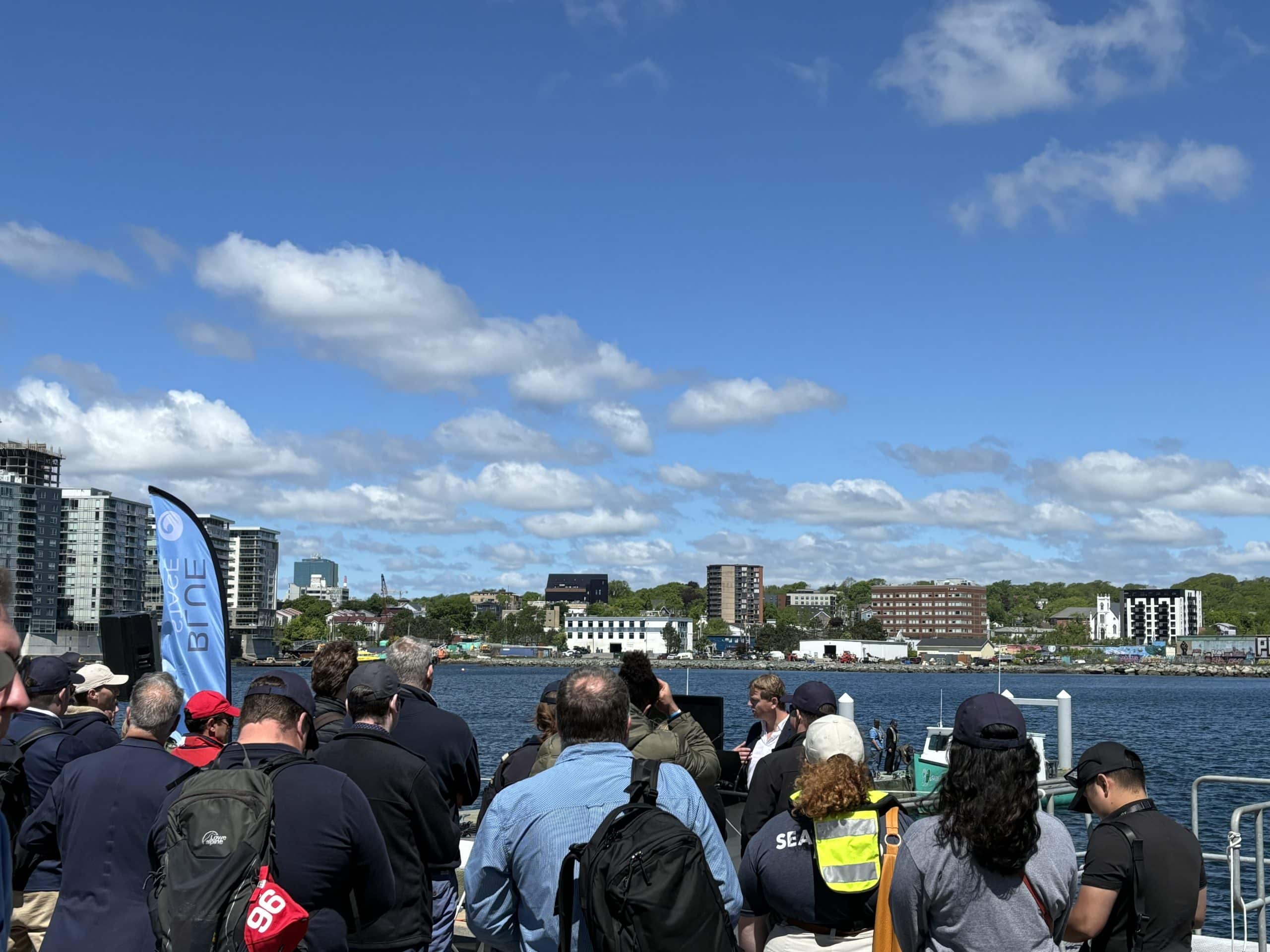
07 June 2024
Sign up to follow what happens next
By submitting, I agree to receive future communications from Zelim and I have read and agree to Zelim’s Terms and acknowledge the Data Privacy Notice.